27th November - 6th December 2026
9:00 - 21:00
House of Croatian Defenders
Leharova 1, Pula
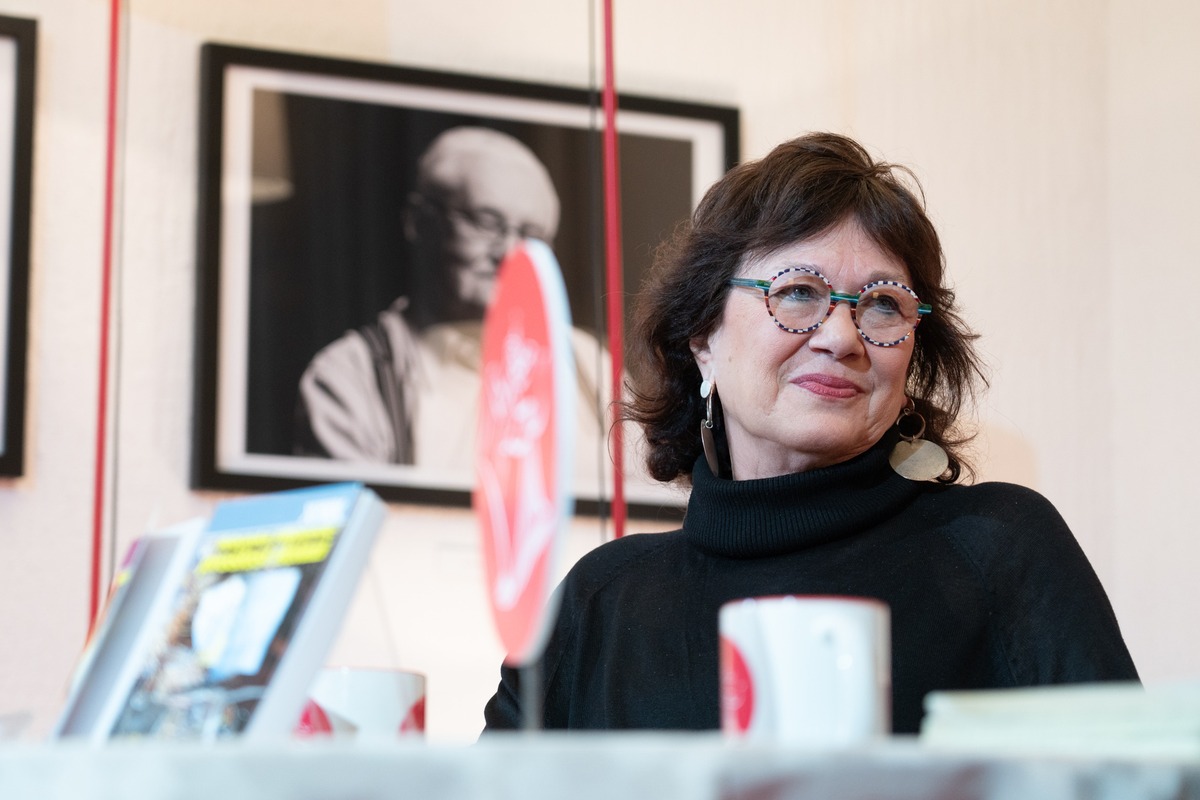
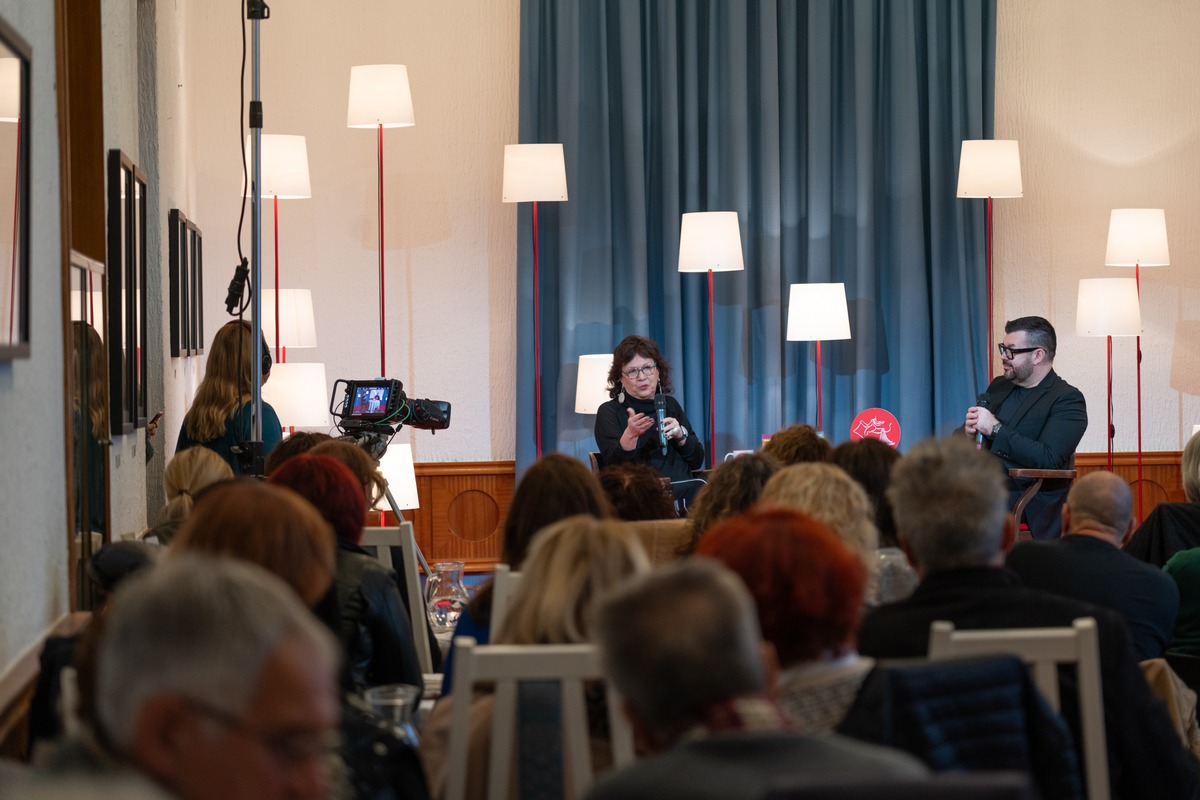
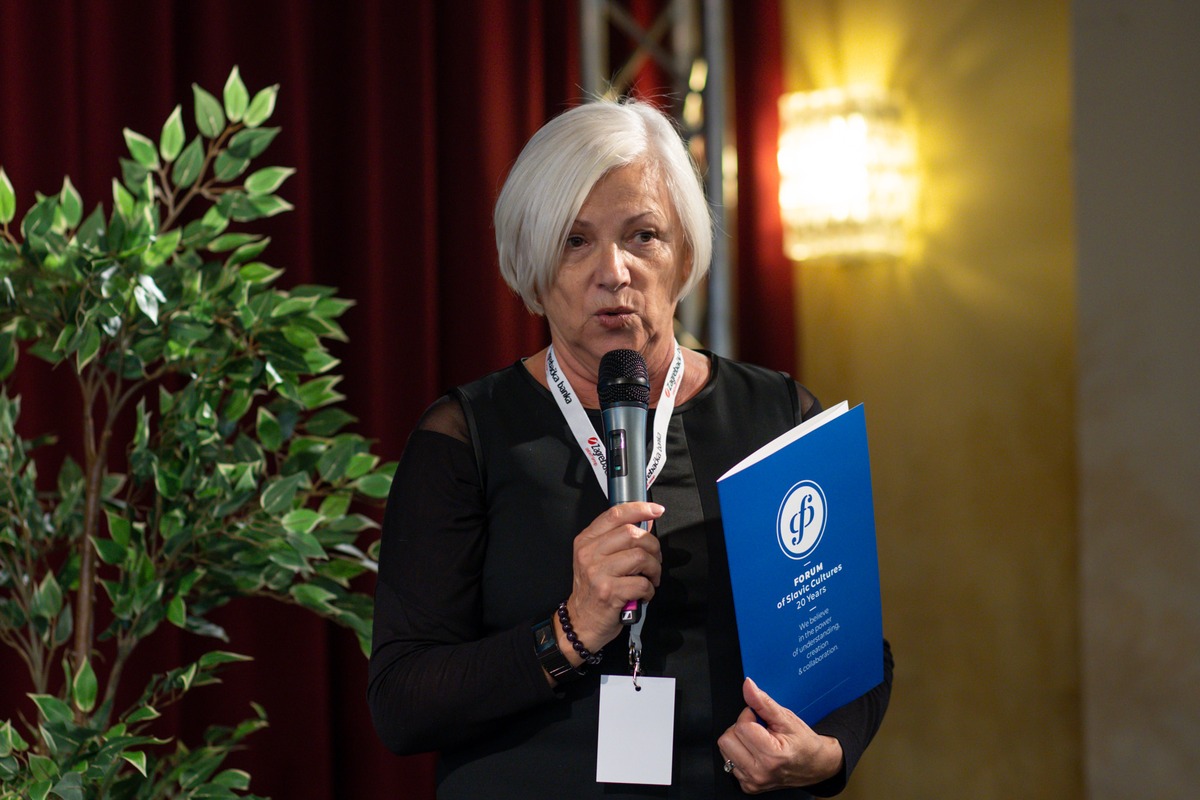
"The authorities in our region have abolished the future, but they have also abolished the present. They are keeping us trapped in a moment from the past so that we do not ask any questions", said Dubravka Stojanović, a distinguished historian and intellectual par excellence, a university professor from Belgrade, who was a guest at Breakfast with the Author on the fifth day of the 30th Istrian Book Fair(y). With her reflections and a scientific microcosm, she opened another memorable day at this year's Pula Festival of Books and Authors.
When asked by Aljoša Pužar about “žrtvoslovlje” (victimology), Dubravka Stojanović said that the more accurate term is “žrtvoslavlje”, coined by Marino Badurina, a doctoral student from Rijeka, and pointed out: "Today we are living the political consequences of victimology: the victim cannot be guilty, everything is allowed to the victim - which we see in the example of Israel. In addition, everyone owes the victim, and the traumatic defeat is buried in the role of the victim who is blocked in their position of pain for themselves, which prevents them from seeing the other. The abuse of women that we witness every day and the types of torture speak of a social pathology that stems from the war of the 1990s that abolished empathy, and today this opens up new problems that need to be addressed."
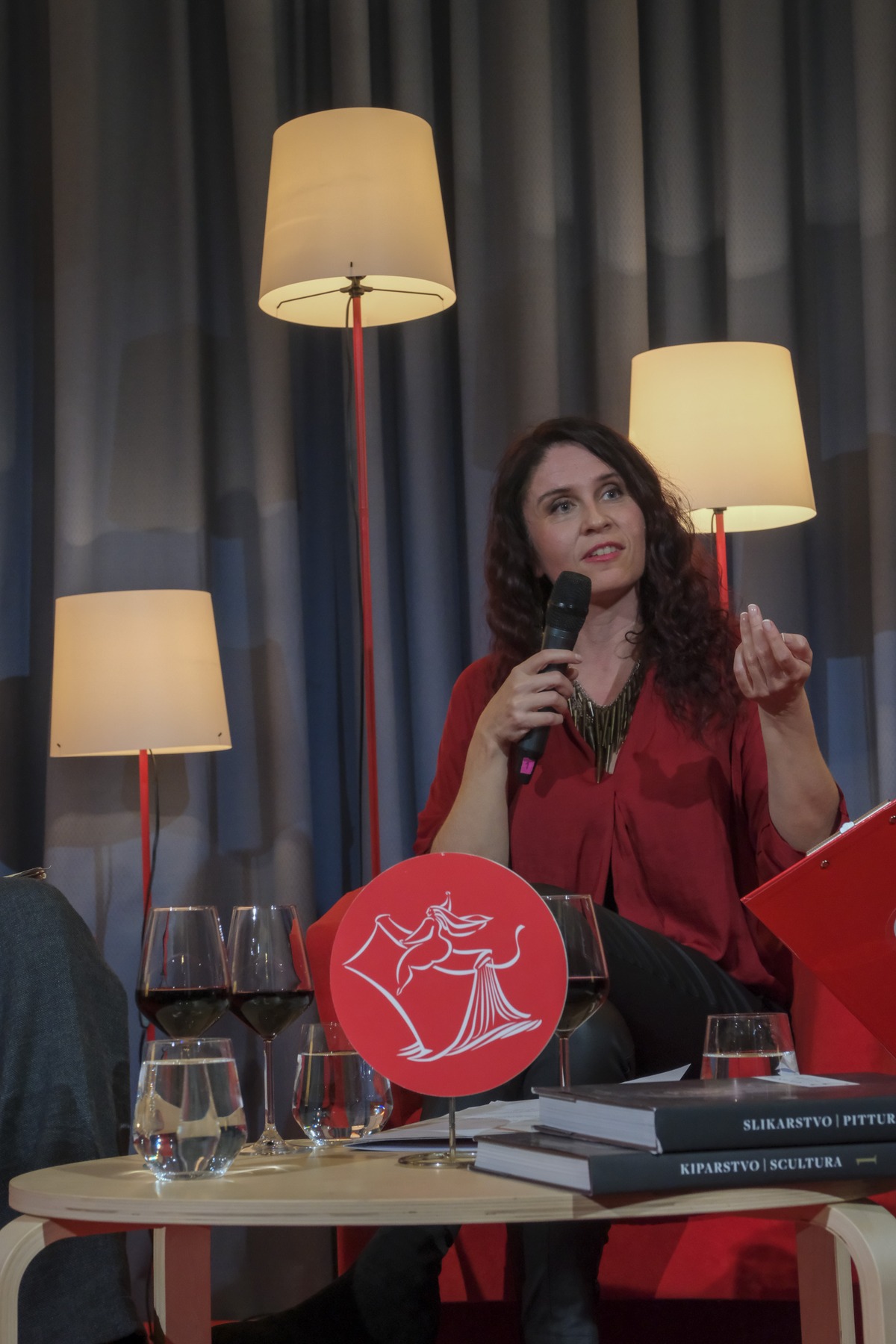
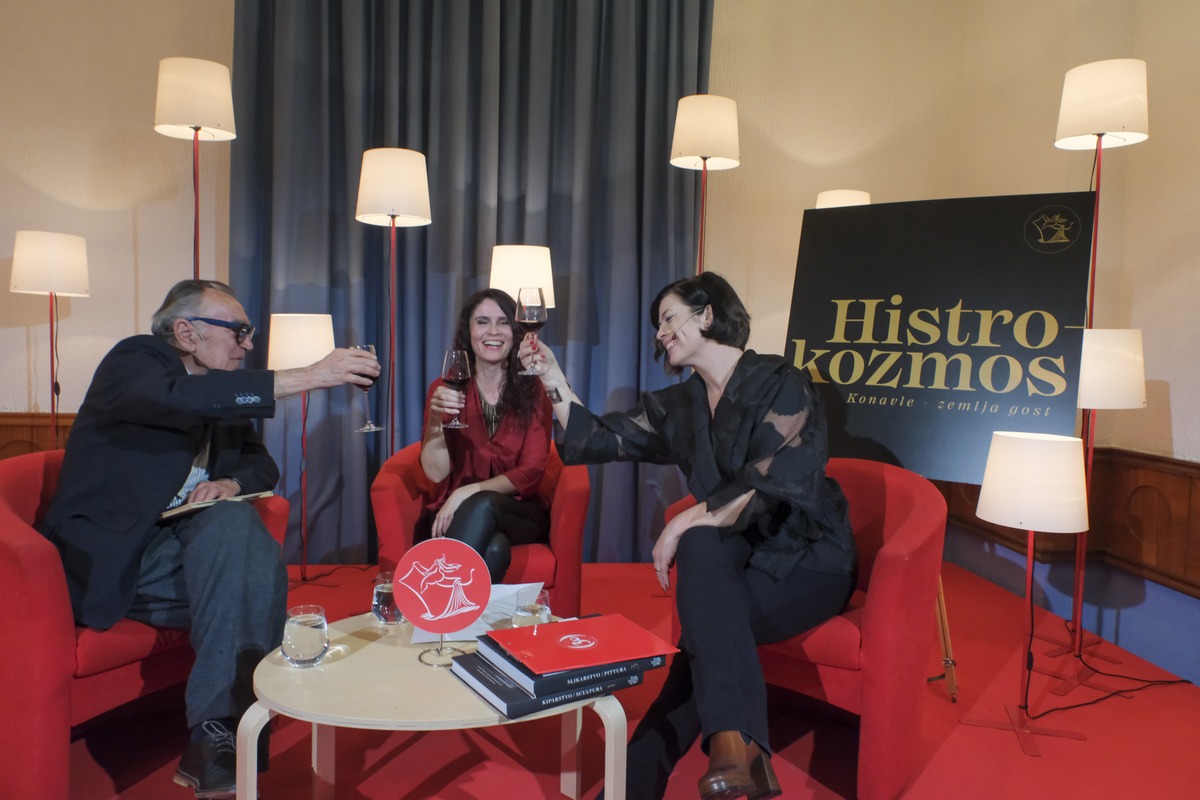
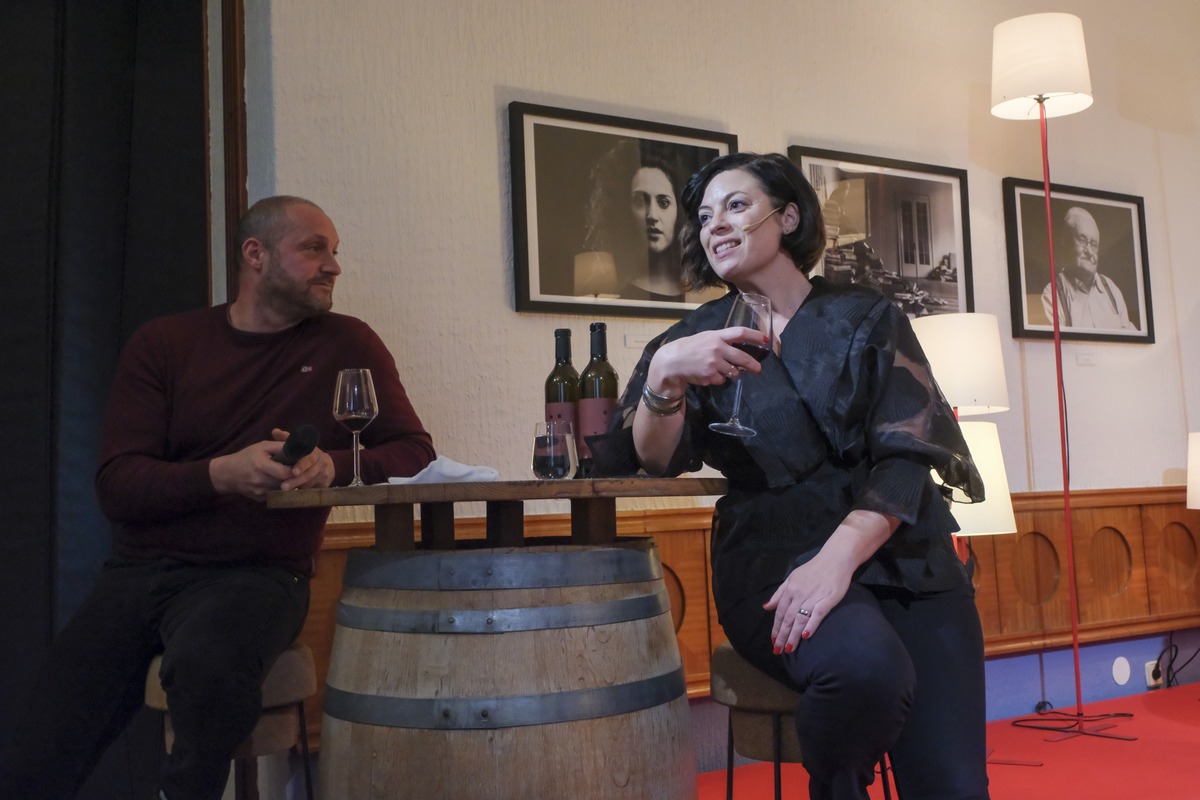
The audience of Histrokozmos was honored with the presentation of this year's third Sakramenska. It was Sunčica Mustač, the protector and guardian of Istrian heritage, art historian, conservator, university professor and scientist who enchanted everyone, and she was accompanied by the winemaker Dimitri Brečević with his refosco, a biodynamic wine from his winery near Buzet. The measured and decent host Iva Đorđa Nemec said that her guests are connected by the fact that "they are both young and very passionate about their work, as well as the fact that they were not born in Istria, but Istria became their country by choice. They came, rolled up their sleeves and illuminated Istria". In honor of Brečević's wine, Sunčica Mustač told the story of the first reconstruction of the Sistine Chapel when Michelangelo's frescoes were cleaned with wine, Malvasia from Greece, in the 18th century, and said that Valvazor writes about the wines from Čepić that are so deep that you don’t have to eat after them.
Sunčica Mustač, described by Milan Rakovac as a "caryatid that carries the planet and guards our great treasure of Ivan and Vincent of Kastav", emphasizing that she is the heir of the great Branko Fučić, spoke with particular inspiration about Prof. Ivan Matejčić, the founder of the Conservation Department in Pula, and her collaboration with him. This has to do with her arrival to Pula and her work as a conservator, that is, “standing in the trenches” and “defending and protecting”. She very clearly explained, using the example of the siren from Saint Michael of Banjole near Peroj, how an art historian translates the idea of the author of that time into today's language, and with special respect she spoke about the experience of working on the exhibition Gajba i tić (A cage and a bird), which was her first curatorial work, and emphasized that she learned a lot from the great Mauricio Ferlin.
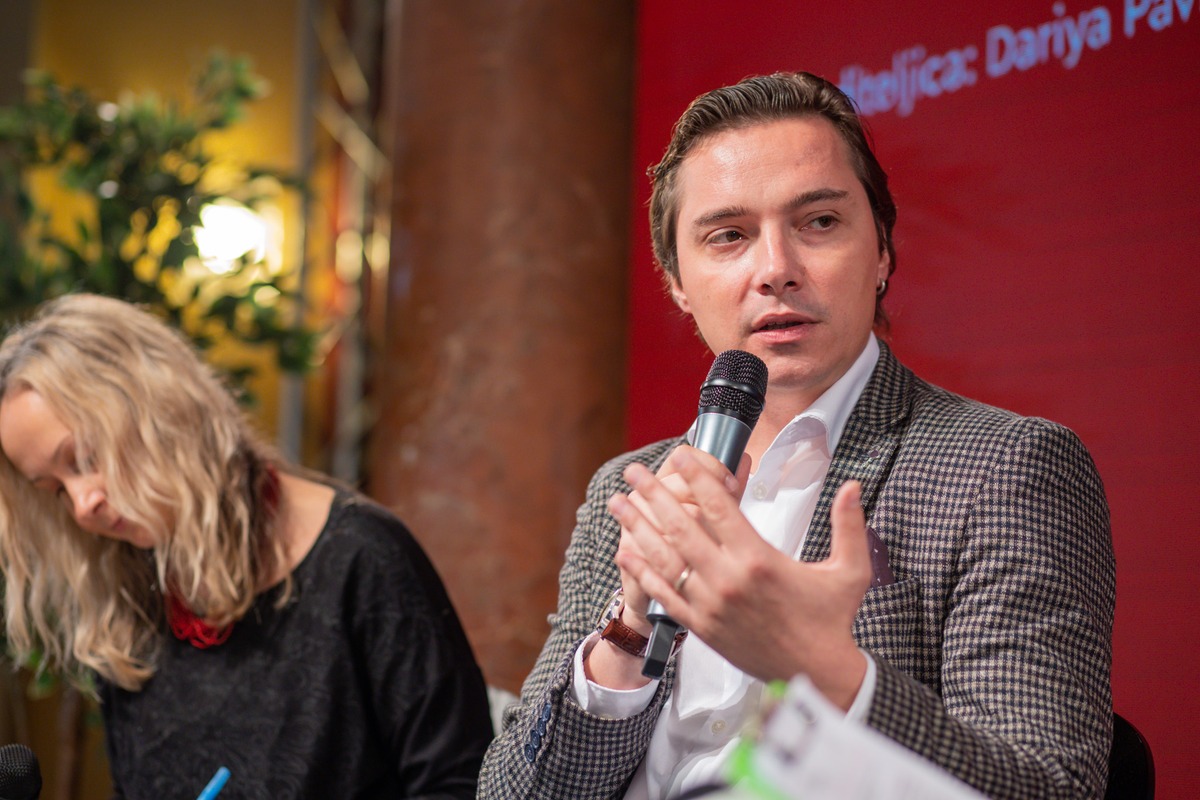
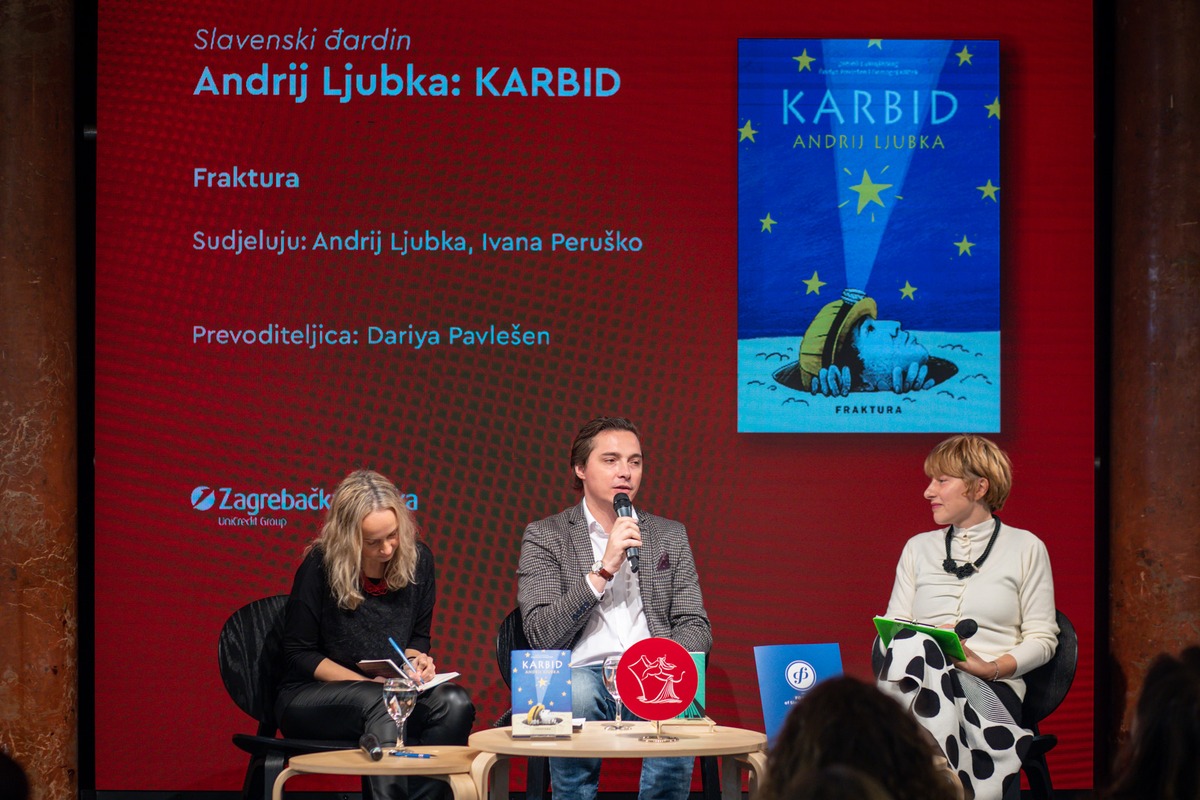
The afternoon at the Fair was opened by Andrij Ljubka with his novel Karbid (Fraktura). He was a guest of Slavic Garden hosted by the fantastic Ivana Peruško, who congratulated the author in the introduction on writing in a way that makes us laugh in these cataclysmic times while reading his novel and following his colorful hero Tisa. Introducing himself in the introduction as "the writer who broke his leg on Kamenjak", Ljubka won over the audience. Speaking about the situation in Ukraine, where thousand days have passed since the beginning of the great war, he said: "In the city where I live, in western Ukraine, it is much calmer to be inside what is happening than portrayed on television news. On the other hand, we live in a situation in which we are deprived of future, and when we talk about literature and art and culture in general, there is a paradox: 2023 was the best year for literature in the last 30 years since the Ukrainian independence, the number of publishers is growing, theater performances are sold out... People need culture to feel like human beings, not creatures on whom bombs fall every day," said Ljubka, who was surprised by the Fair with a cake because it was his birthday the day before the Pula presentation. Andreja Richter from the Forum of Slavic Cultures congratulated the Fair on its birthday at the opening of Slavenski Đardin. All praise was also due to the excellent translator Dariya Pavlešen.
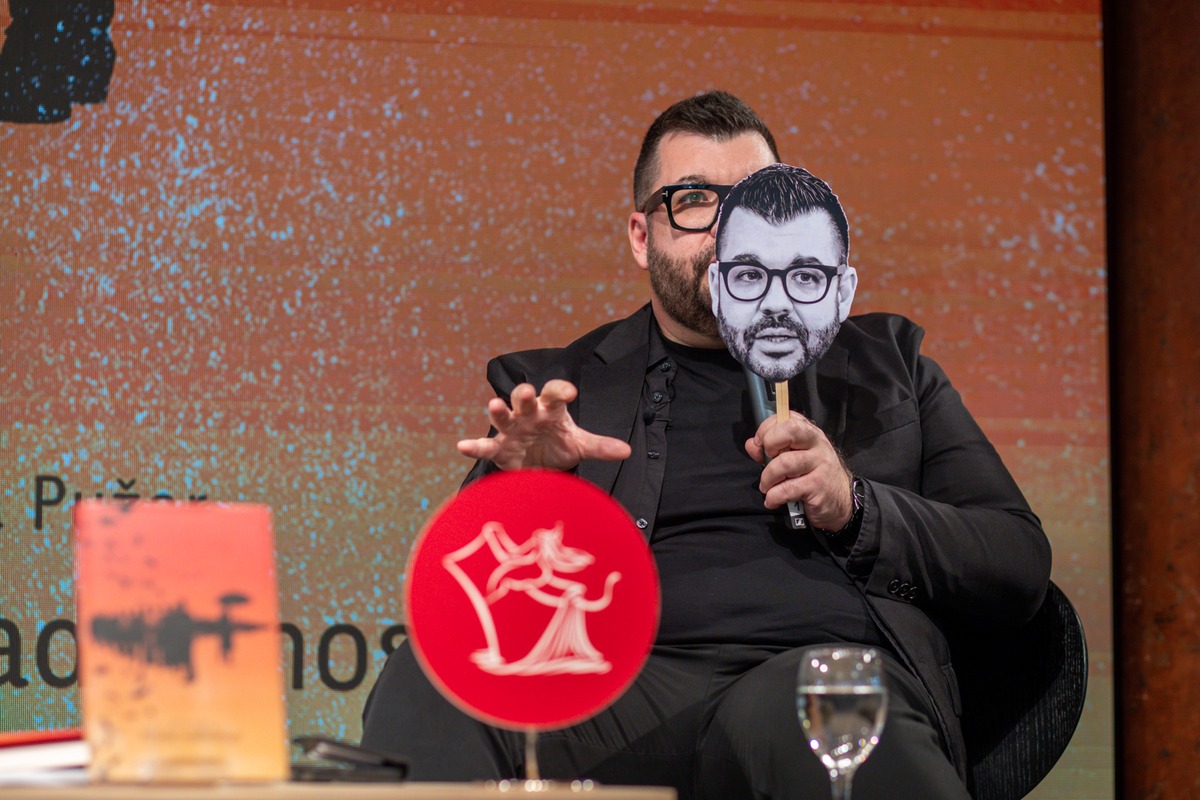
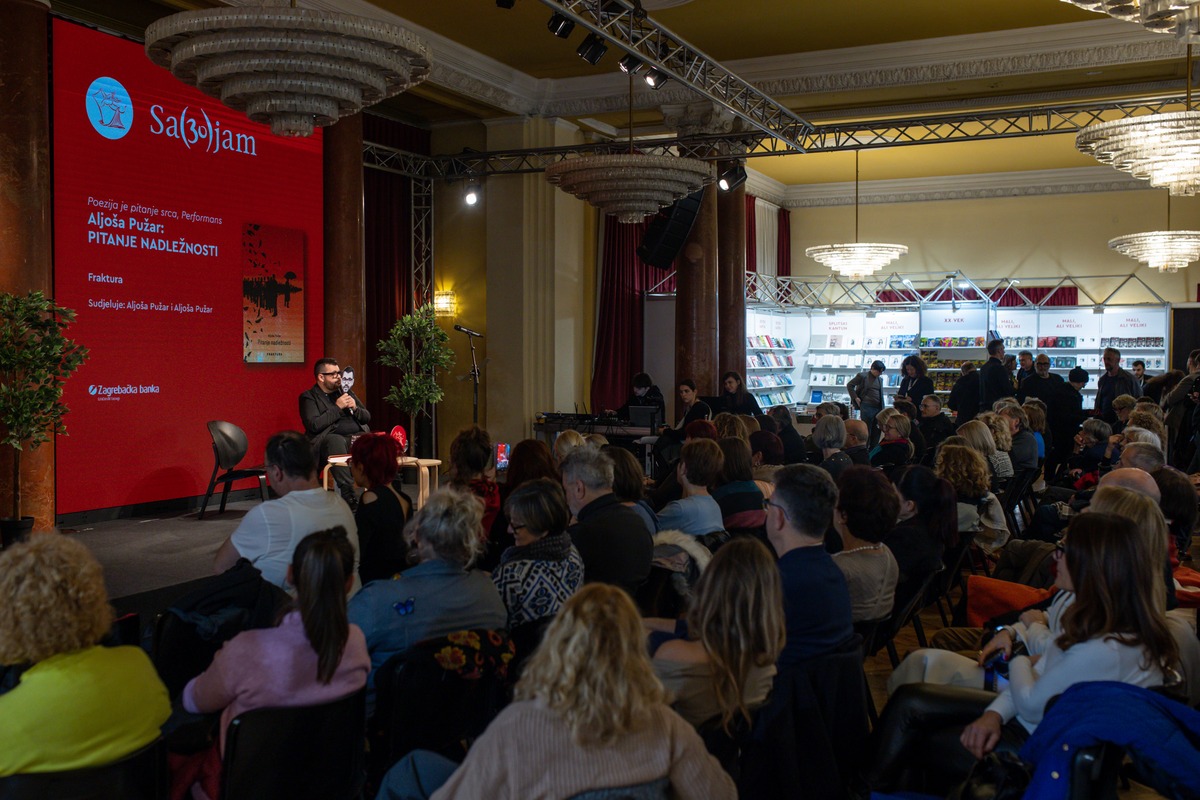
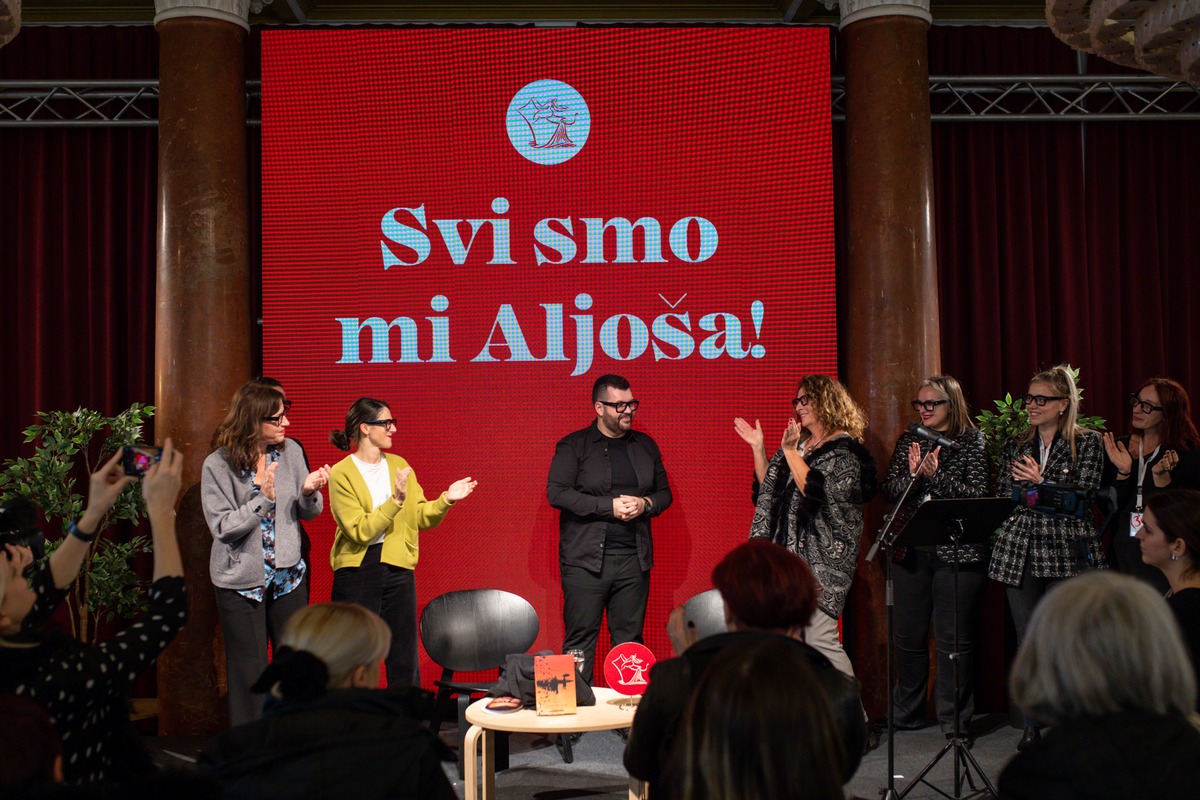
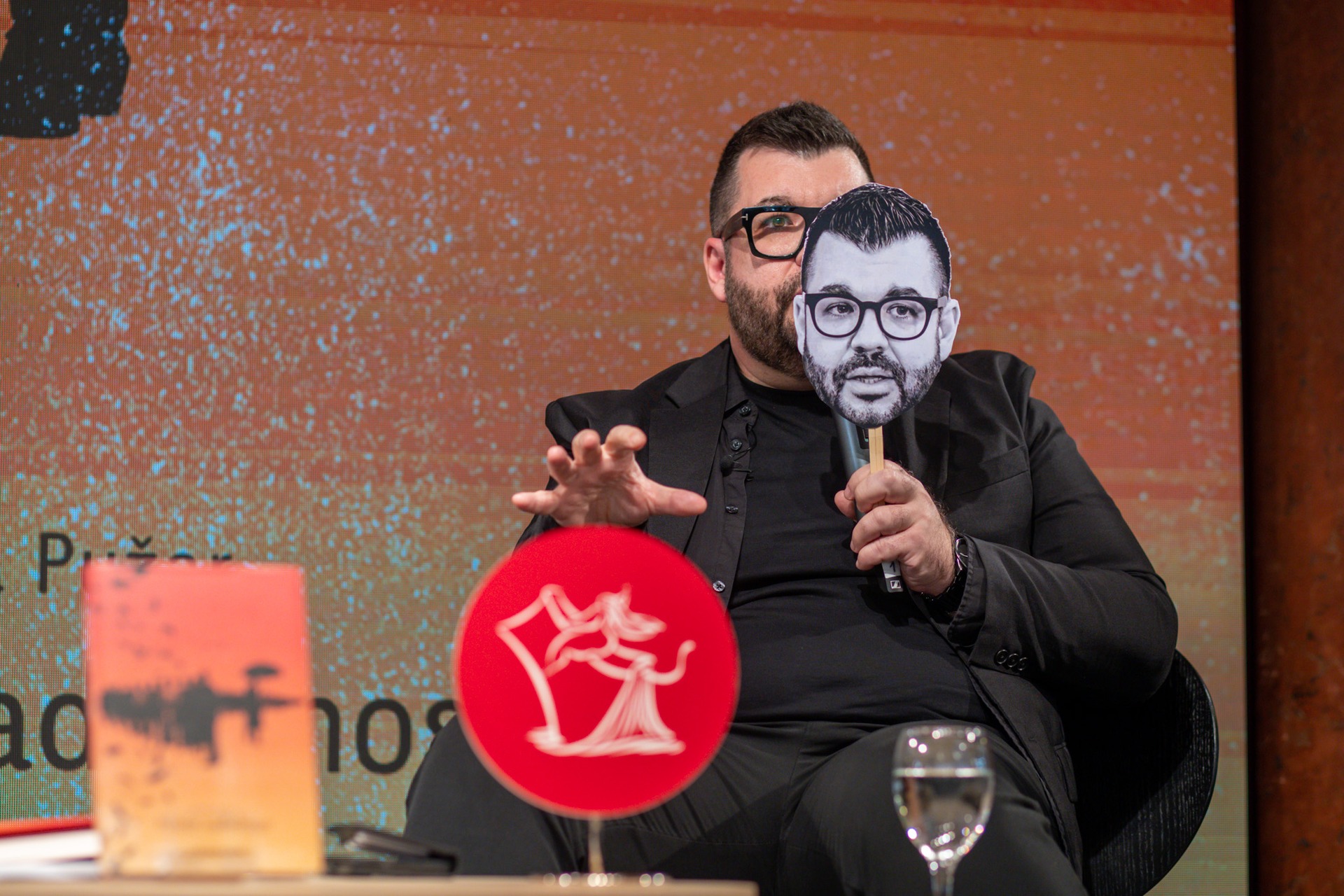
Aljoša Pužar left everyone who witnessed the presentation of his collection of poems Pitanje nadležnosti (The Issue of Jurisdiction, published by Fraktura) in the program Poetry is a Matter of the Heart speechless. And, before the loud silence at the end of the “performance that is not”, which shook our souls to the point of pain, for more than half an hour Aljoša Pužar kept making us laugh and enriching us with his poetry that is “ethnographic” or perhaps “ready made”, or even “klepto poetry”. In the “conversation with himself”, moving from the known to the unknown, on stage was Aljoša the presenter, and Aljoša the university professor, and Aljoša the poet, and the observer, and the actor, our Aljoša, an important light of the fair microcosm.
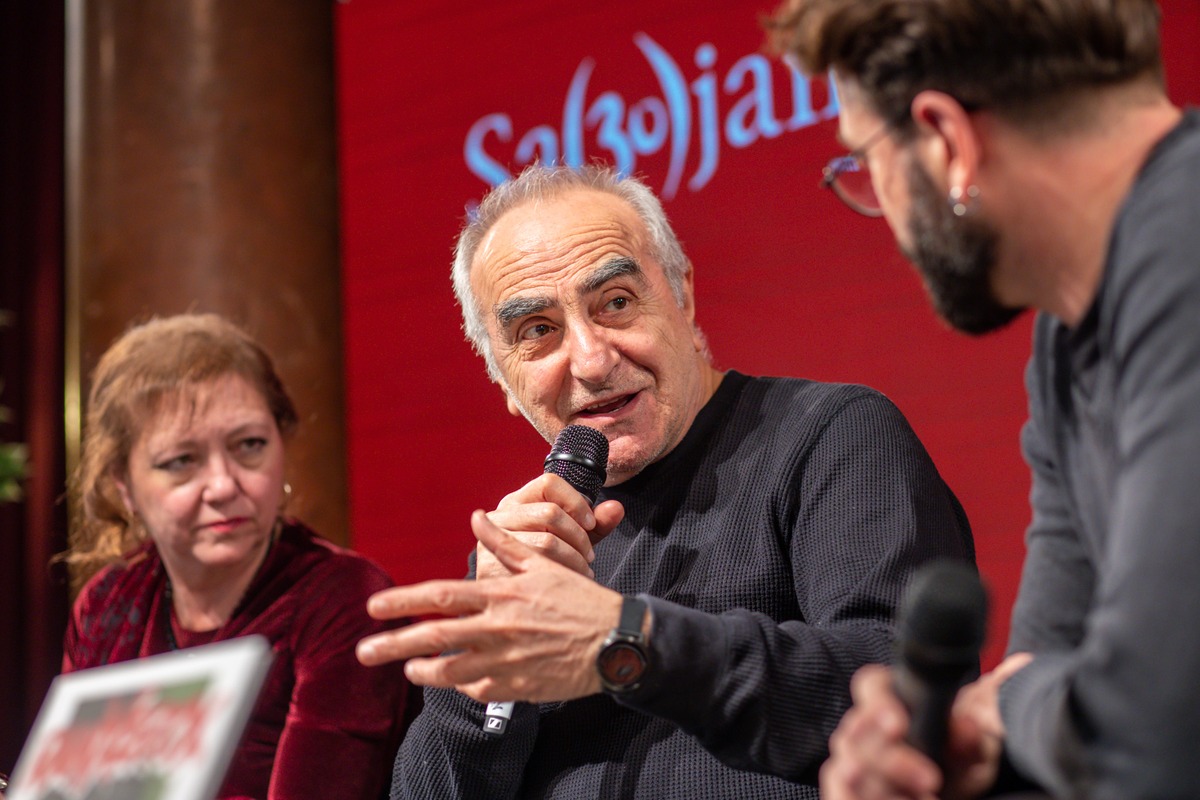
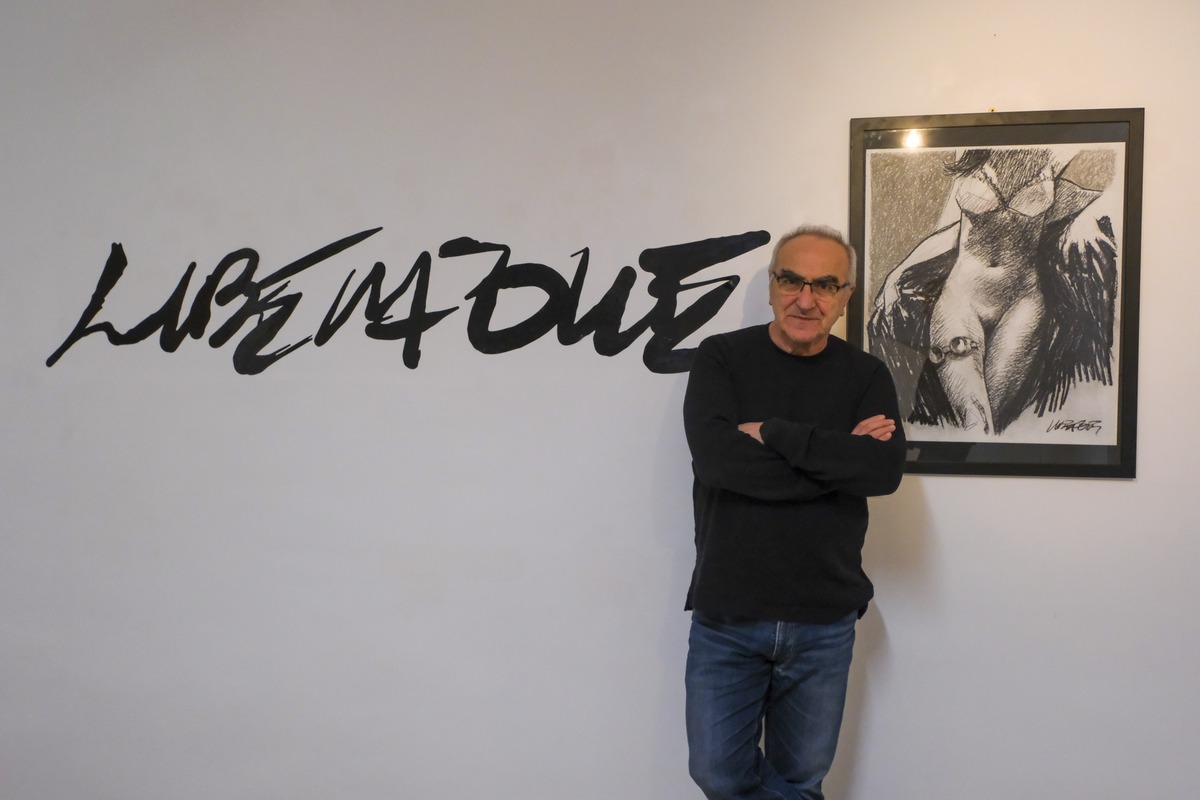
The comic was on the fair's pedestal at the presentation of the famous Ranxerox (Tino Comic Center) by one of the greatest comic masters in the world, Tanino Liberatore. It began with the powerful song The Man from Utopia by Frank Zappa, accompanied by a huge picture of the album cover drawn by Liberatore, and the conversation was introduced by Andrea Matošević with the words “Everyone is looking for a savior, so we brought you Liberatore”.
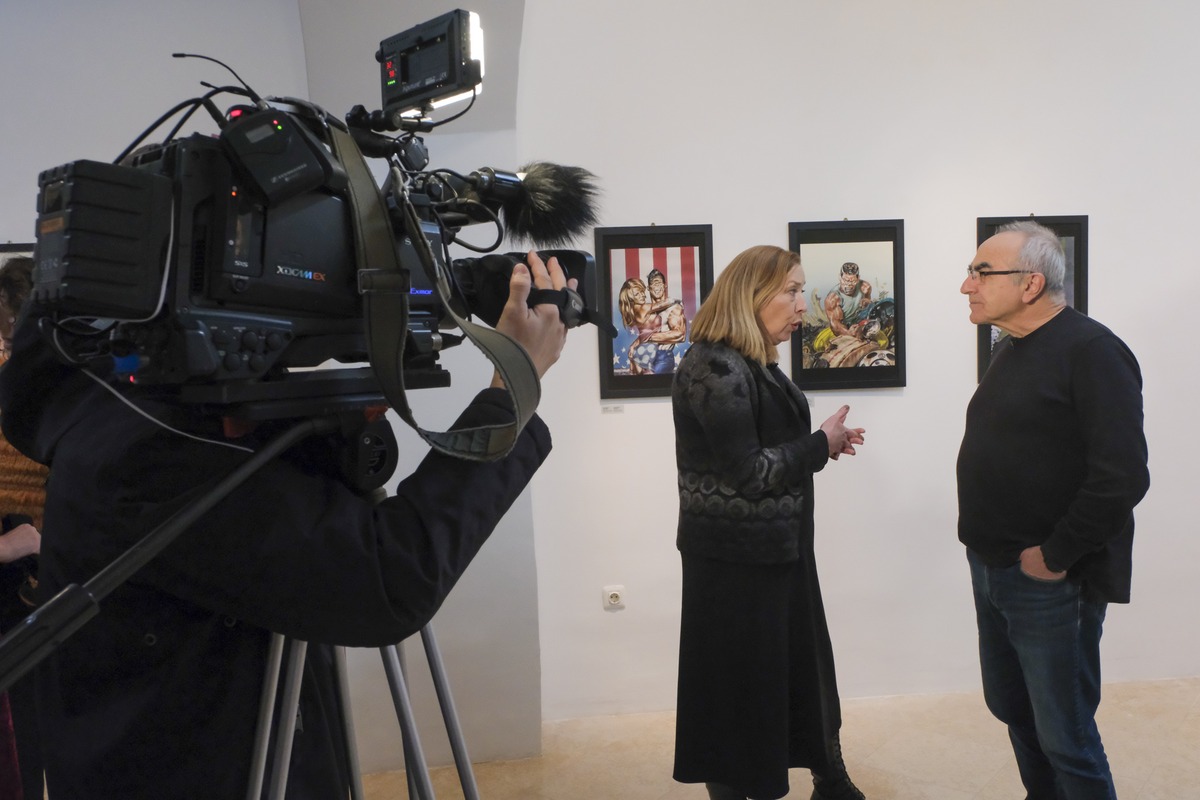
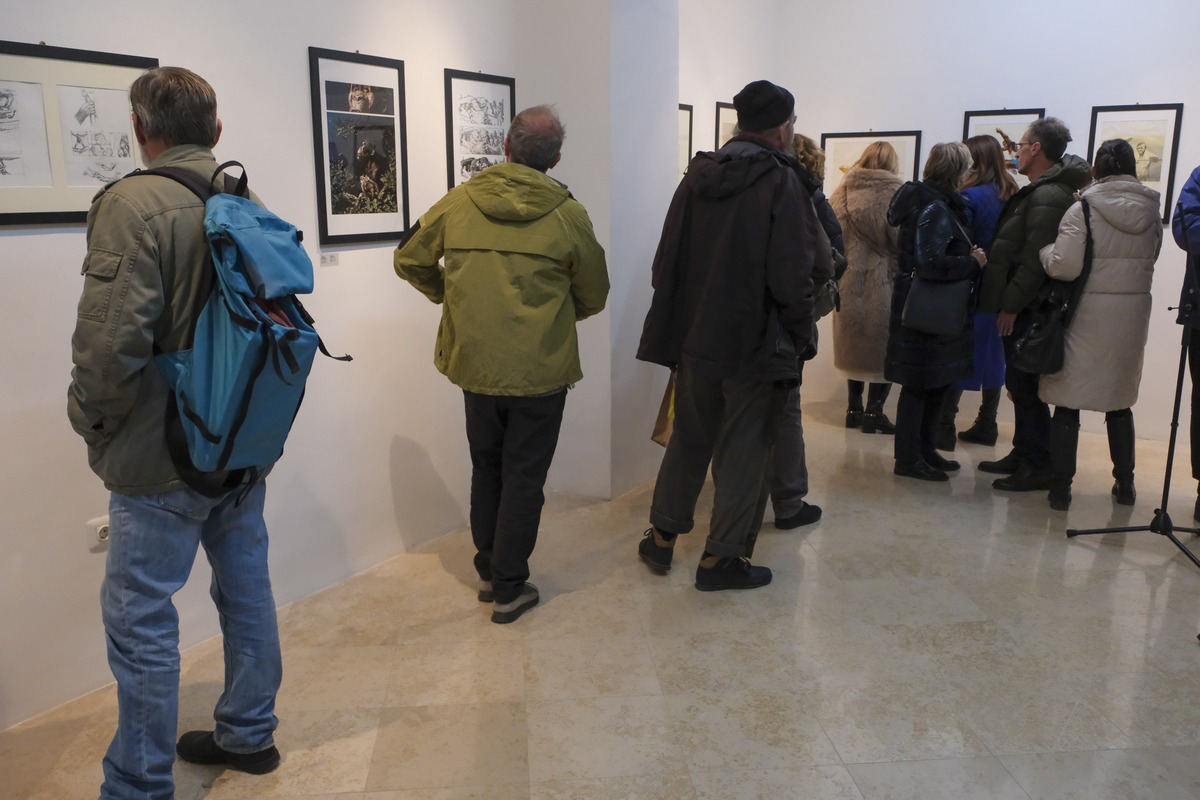
“Ranxerox's father is Tamburini, and I'm at best his uncle!”, said Liberatore and pointed out: “Ranxerox is a work of its time. Those were the Years of Lead. We were young and we had fun, but we were touched by the violence that reigned around us and we expressed our revulsion and fascination with such drawings.” The crowning glory of a successful day was the opening of the exhibition Fragments of Chaos by Tanino Liberatore in the packed Pula City Gallery in the Storie italiane/Strip Strasse program, at which Eros Čakić, the head of the Gallery and a visual artist, thanked Liberatore for everything he had done for his generation. The exhibition shows why Tanino Liberatore, the Michelangelo of Italian comics, is known “as a provocateur, a dreamer, an experimenter, but at the same time a prisoner of the ninth art who stubbornly and meticulously explores the perfection of the line, up to today's Liberatore, who is a refined illustrator offering the audience decrepit and beautiful women, erotic and provocative, but also cursed and powerful, after many years of reflection, digital drawing and accepting the influence of other types of art”, as pointed out by curators Paola Damiano and Nicoletta Rondinella from Napoli Comicon.
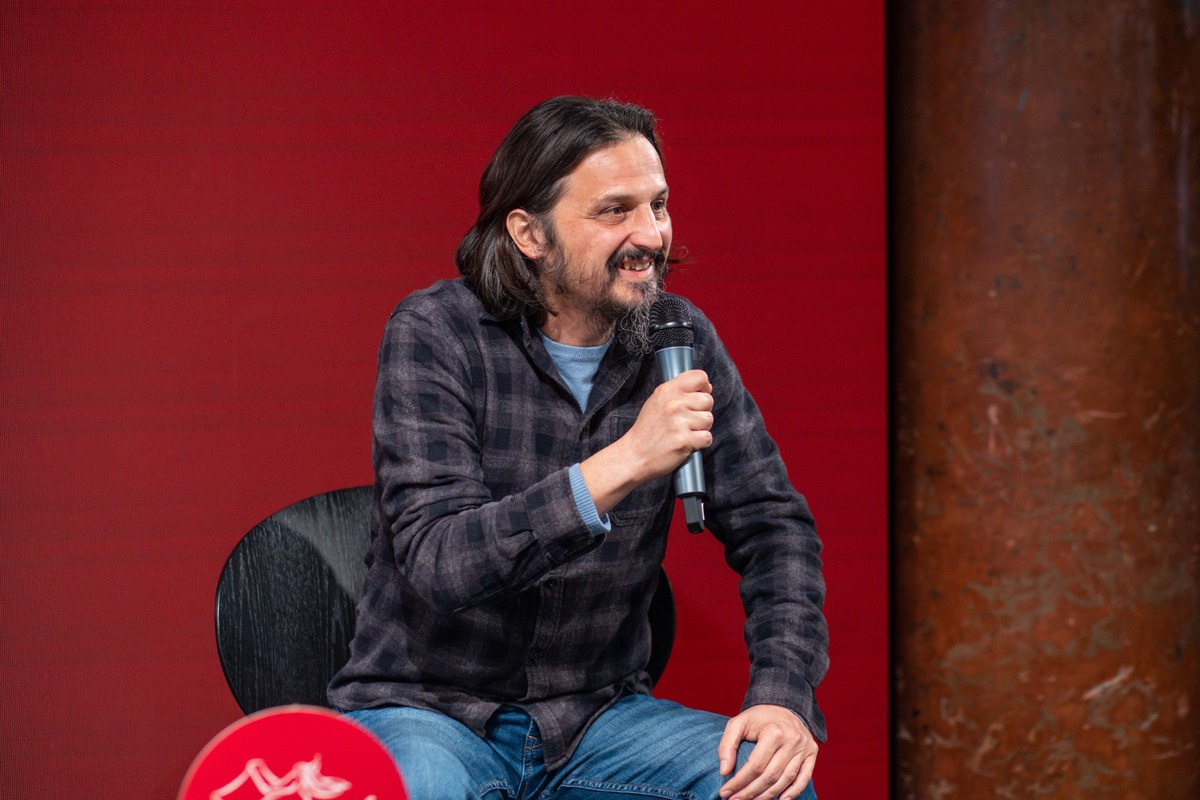
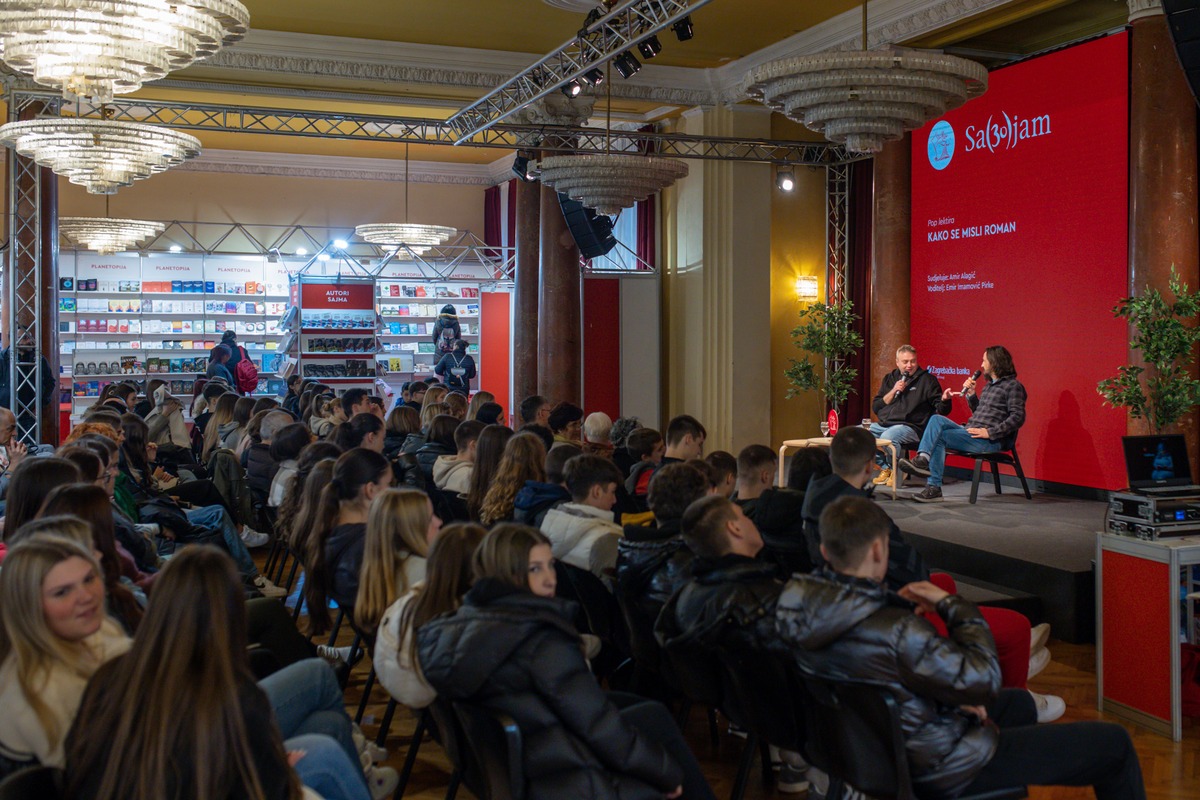
It should also be noted that this day of the fair did not pass without the Pop Reading in which Franka Tretinjak was hosted by Vjeran and Vibor Juhas, and Emir Imamović Pirke spoke with the writer Amir Alagić on the topic of How to Think of a Novel.