27th November - 6th December 2026
9:00 - 21:00
House of Croatian Defenders
Leharova 1, Pula
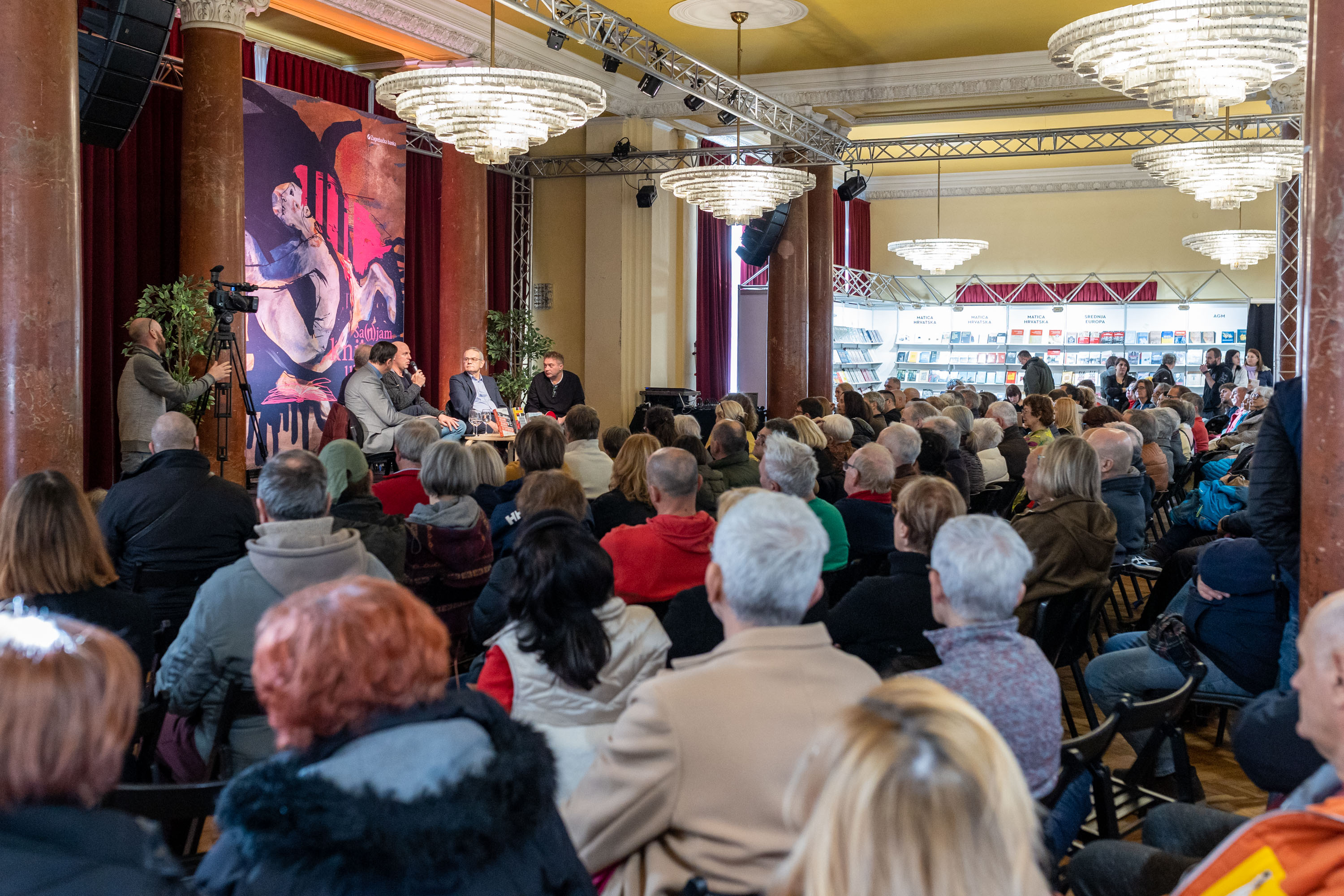
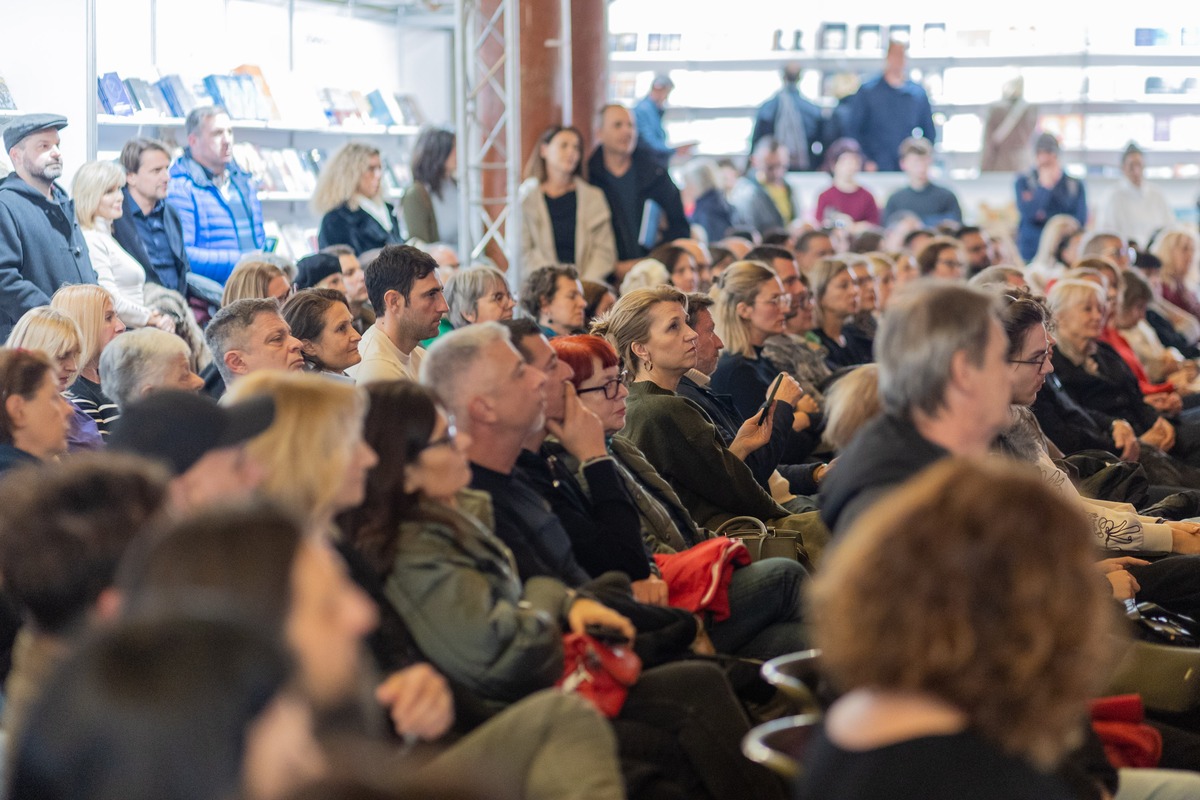
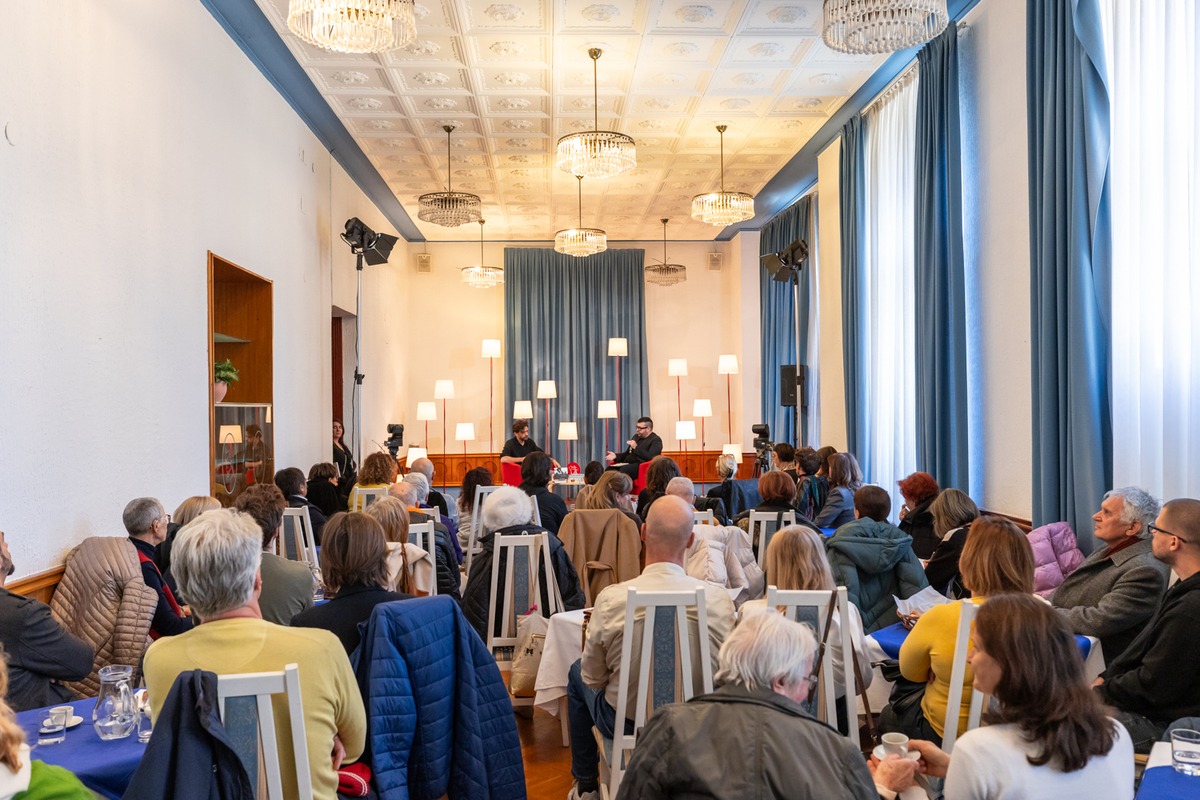
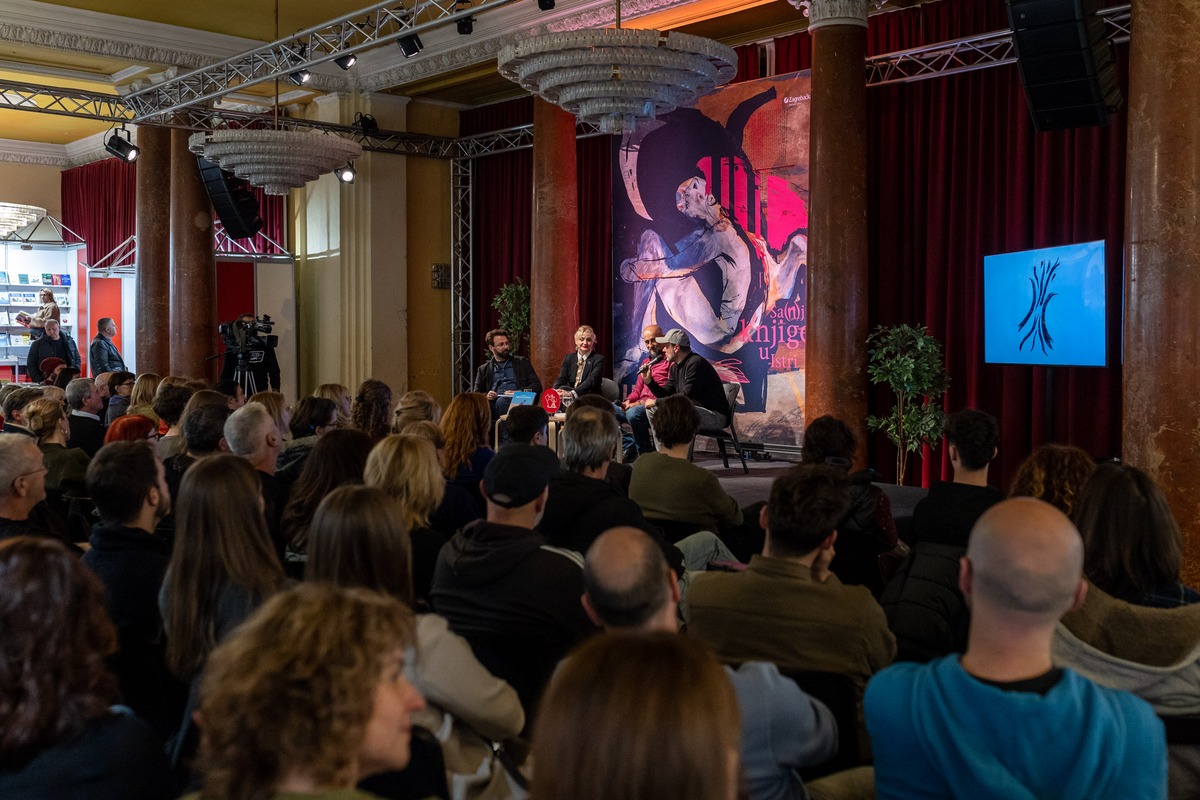
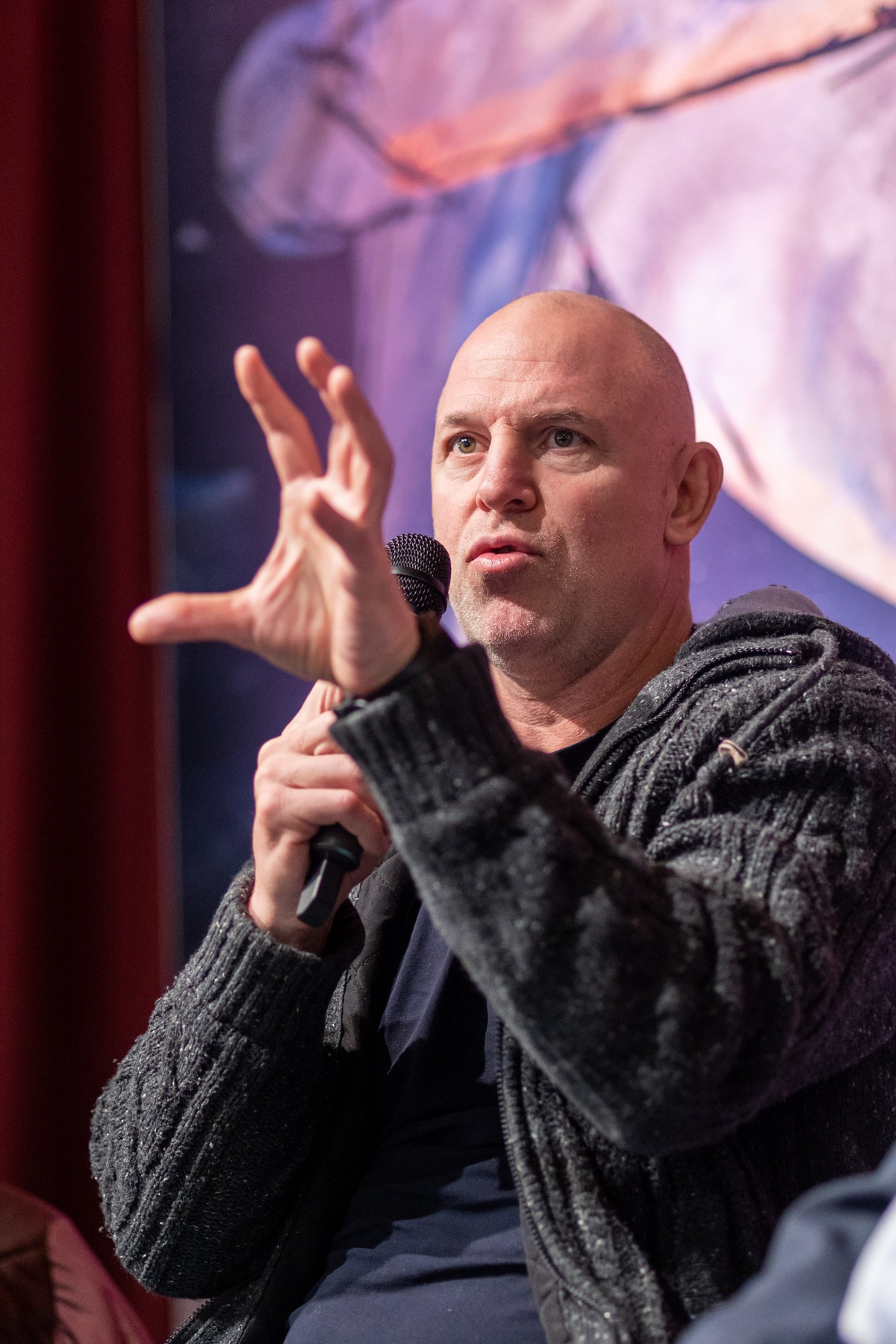
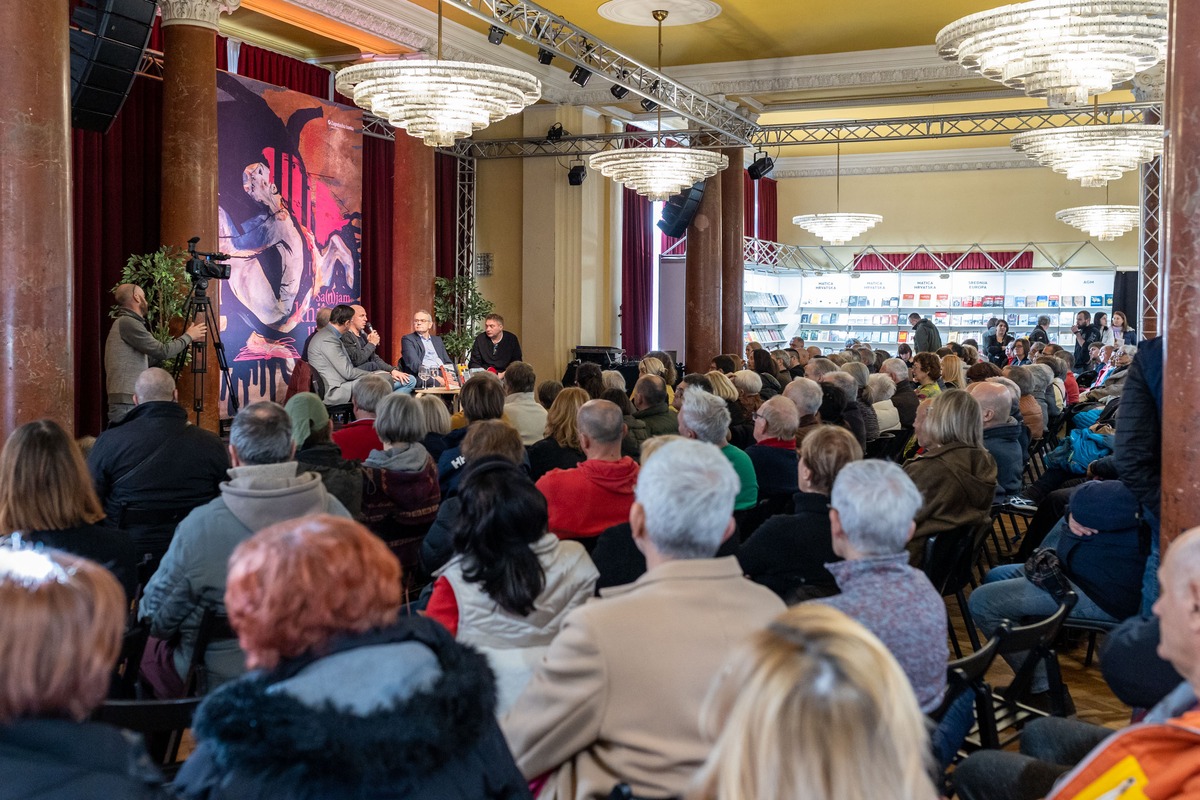
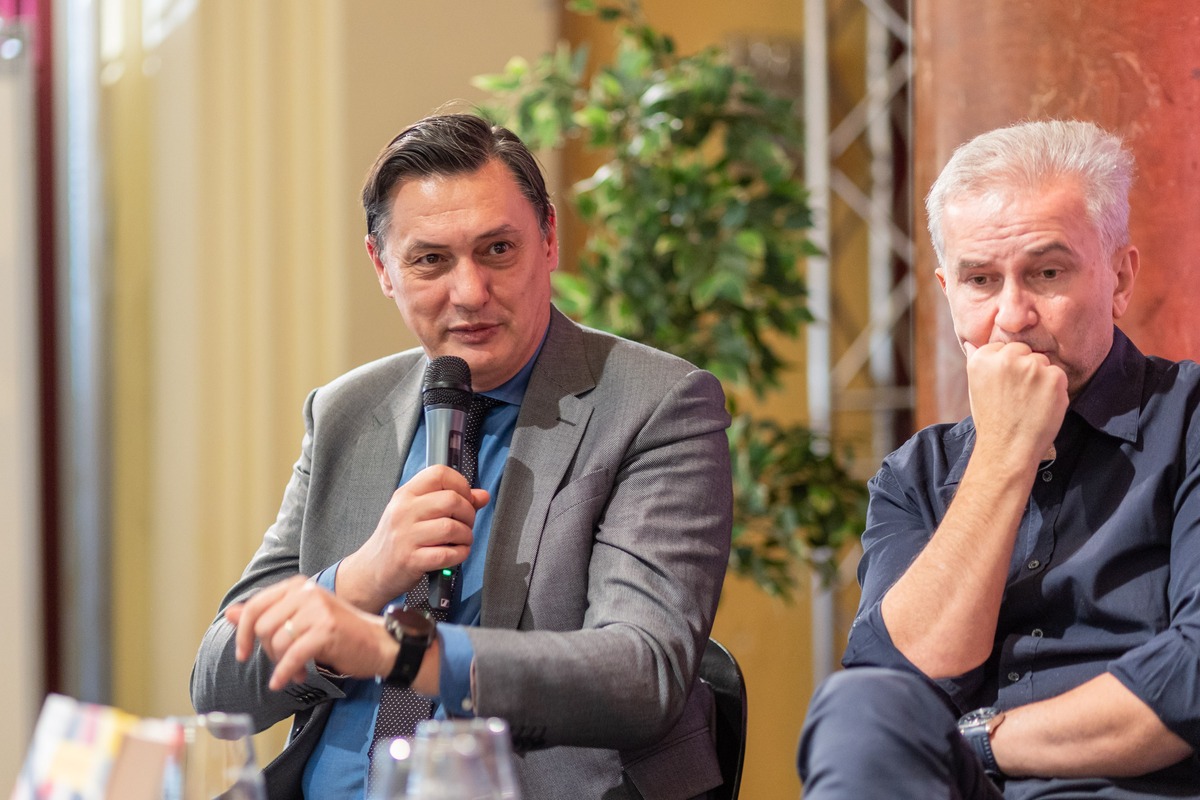
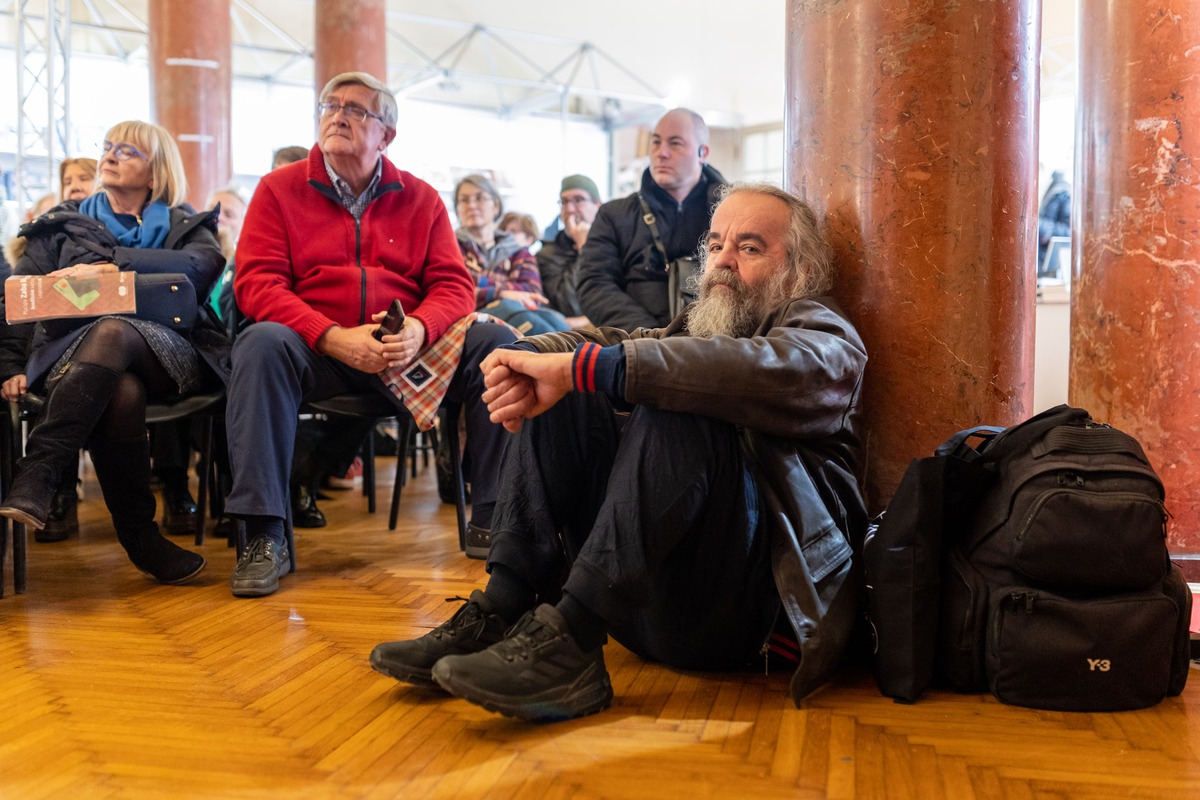
“Traumatic things that are swept under the rug tend to return in their worst shape. It’s dangerous to silence any form of truth that is part of history”, emphasized Goran Gavranović at the Roundtable 80 godina pobjede nad fašizmom held in the program Disquiets in front of an extremely large audience on the second day of the 31st Book Fair(y) in Istria, which in Pula lasts until December 7th. The Roundtable was moderated by Emir Imamović Pirke and apart from Gavranović it also included the following participants: Boris Rašeta, Šimun Cimerman, and Vuk Perišić. In addition to the topic of antifascism, the focus of the discussion was on events related to the Second World War and its reflection on modernity, as well as the understanding of historical and political processes and the demystification of historical myths, while the literary basis came from the following books: Šimun Cimerman’s Bitka na Sutjesci: Pakao u raju (Jesenski and Turk), Ivo Goldstein’s Hrvatska u Drugom svjetskom ratu 1941.-1945. (Fraktura), and Boris Rašeta’s and Goran Gavranović’s Osam dana u svibnju: Uspon i pad NDH i rađanje nove Jugoslavije (Fraktura, 24sata).
“The Independent State of Croatia (NDH) was a cog in the wheel of the Axis powers that attacked the civilization. The moral duty of every man in the Second World War was to oppose fascism and Nazism, of which the Ustaše movement was also a part. That wasn’t a homeland war, it was a world war between good and evil”, Vuk Perišić said, emphasizing that, “however repressive the regime established in 1945 may have been, that does not call into question its victory over fascism”.
Goran Gavranović considers that the NDH is not being rehabilitated today and points out that “the majority in Croatia is always outside those extremes either in the center-left or center-right. Some developments are horrifying, but I don’t think it’s a fatal disease, although there are some symptoms indicating it is a serious one”. Boris Rašeta suggests “that’s a process that has been going on for 30 years. I think the bottom line is that culture will protect us.” “There should be historical revision, but premeditated revisionism is dangerous. Ignorance and lack of knowledge are our greatest enemies and are characteristics of groups that are affecting younger generations, who know nothing about many historical topics, including the Homeland War, let alone the Second World War”, said Šimun Cimerman. “Revisionism and rehabilitation of NDH comes from a deeply rooted Croatian complex burdened with statehood. I think we should look up to Germany and its relationship towards historical revisionism, where it could lead to imprisonment”, said Vuk Perišić.
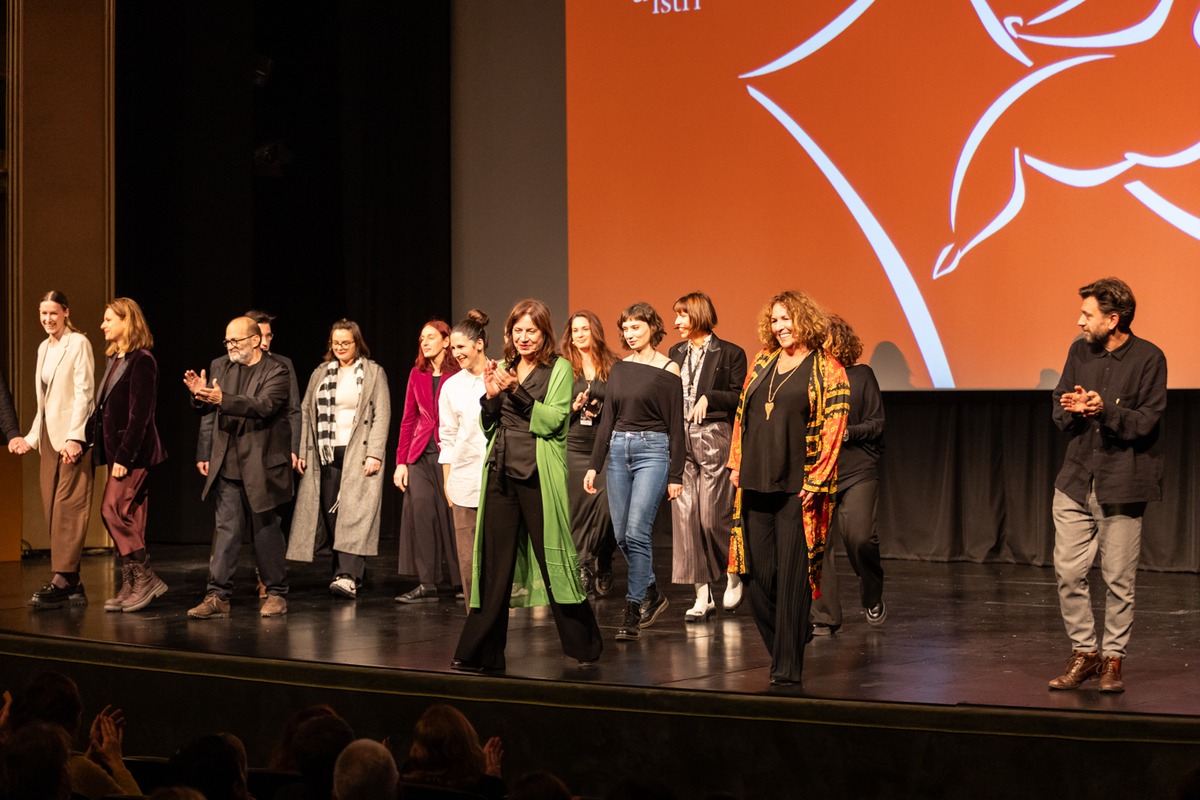
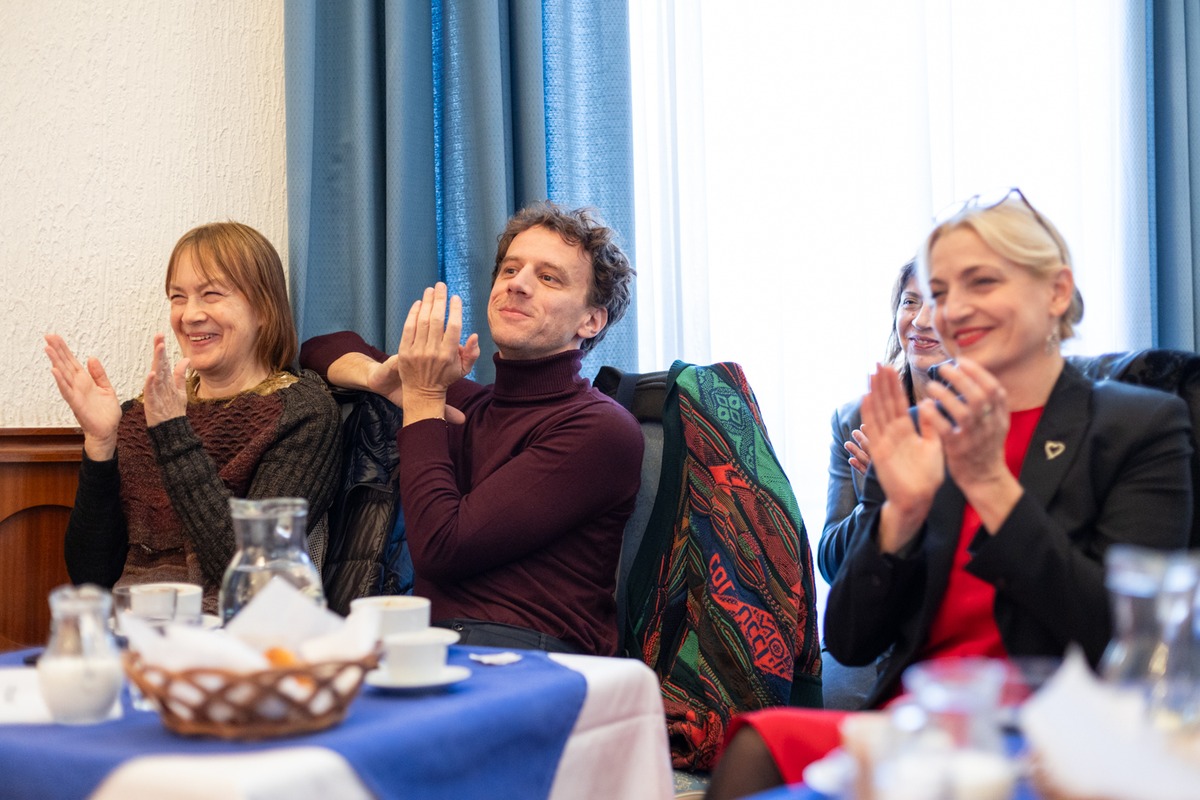
Saturday at the Fair was filled with emotion. The day ended with the premiere of Snovi od papira, a poetic documentary film directed by Boris Miljković, at the Istrian National Theatre. It is a story about the Fair, its three-decade history and its turning points, as well as a film recording of Pula, its people, artists, creators, and authors who built the Fair and shaped the culture of the city and Istria. The film, which also features a lot of archival material, is also a tribute to Boško Obradović, the Fair’s founder and a long-time creator of the social and cultural scene. Snovi od papira also celebrate the authors and guests of the Fair, and especially its audience, to whom the Fair now belongs, as pointed out by Magdalena Vodopija, the Fair’s director and the main narrator in the film. The premiere audience rewarded the film, the film’s director and the Fair’s team with a long and heartfelt applause.
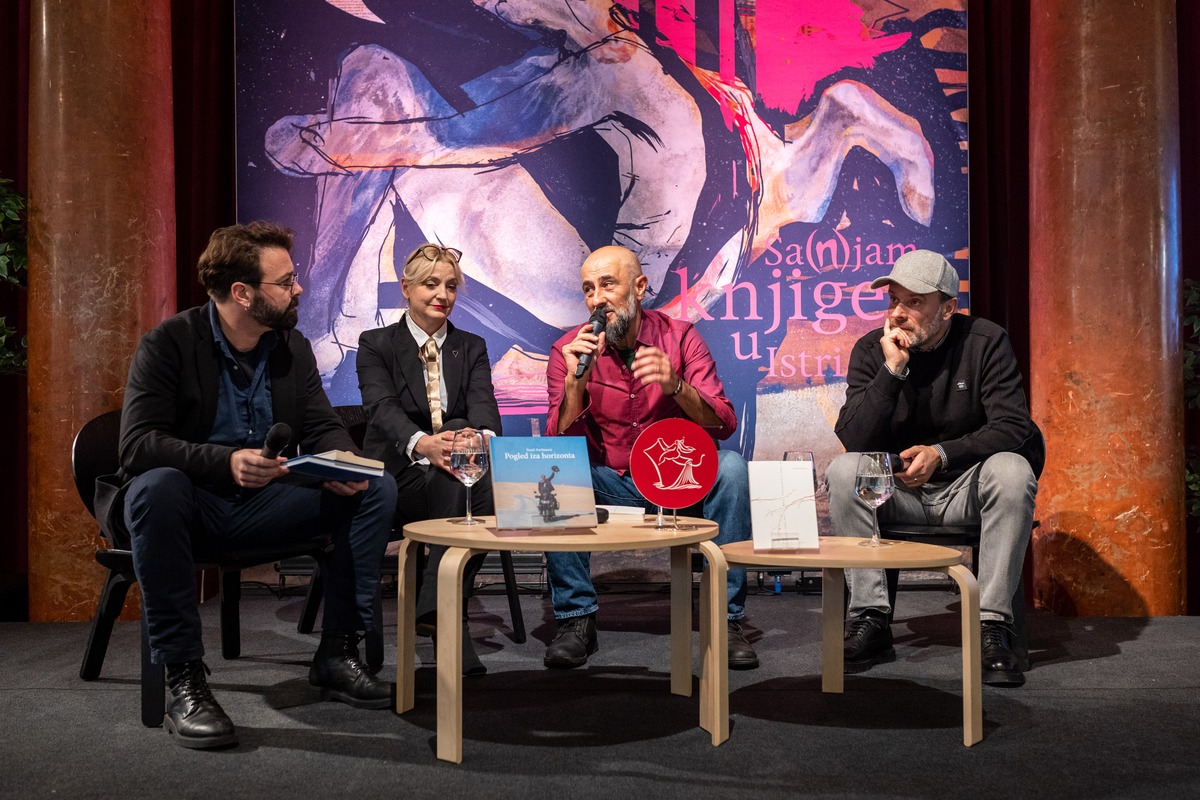
It was also very emotional at the opening of this year’s Histrokozmos: in the program Puna je Pula moderated by Andrea Matošević, the books of two brothers were presented – the posthumously published photo monograph of the adventurer, travel writer and musician Tonči Pavlinović Pogled iza horizonta, and the haiku poetry book by Dejan Pavlinović Linije života. - Tonči and I were really very close, and this is not just a figure of speech, we were truly united brothers. Literally, we’ve lived under the same roof our whole lives, first as tenants in Koper, then in the Netherlands, and then in Valdebek. In Rotterdam, while our parents were working, we were playing and socializing with children from different parts of the world. It was a wonderful childhood, and it was in those formative years that we received the foundation for multiculturalism and a broader worldview. That’s probably where our need to expand our horizons comes from, and through travel, photography, poetry…, said Dejan Pavlinović. On why he writes haiku poetry, he said that there is “a lot of flavor in that short coffee. Haiku offers the challenge of a small form in which the essence of an experience is condensed, very direct and straightforward, but also carries a metaphysics with which the reader identifies, and there is always a dialogue between the reader and the poet.” And the emotion of poet Dejan Pavlinović deeply touched the audience as he read the previously unpublished poems dedicated to his brother Tonči, as well as the poems written while their parents were ill, that is, after he lost them, which are included in the collection Linije života published by the Tondak Association, headed by Edi Cukerić, with the book designed by Matko Plovanić. Dejan Pavlinvić also thanked everyone who helped with the realization of the book Pogled iza horizonta by Tonči Pavlinović, published by Tondak and StudioLab. The design and layout are the work of Igor Zirojević, while Paola Orlić is the editor and author of the introductory essay. The monograph features 74 photographs by Tonči Pavlinović, which he took between 2018 and 2023 during his motorcycle trips to 11 destinations (Iran, Morocco, Tunisia, Armenia, Georgia, Romania, Bulgaria, Italy, Turkey, Vietnam, and Iceland), accompanied by written records that his brother Dejan downloaded from his Facebook account and USB sticks. Paola Orlić emphasized that much of the credit for the entire project, which, in addition to the publication of the monograph, was preceded by an exhibition of Tonči’s photographs at Galerija Makina and a concert featuring all the bands Tonči played in, held at Rojc, has Hassan Abdelghani and his “small school of photography”, which Tonči attended, as well as to Goran Pavlješević, who came up with the original idea for this beautiful Pula story. Pogled iza horizonta is just one of Tonči’s possible paths, from which he waves to us once again. Throughout all his photographs Tonči always has a gaze full of admiration for the distant lands he travelled to and the people he encountered on those journeys. He was always a humble and wonderful human being, and with this book and these photographs, he comes close even to those who did not know him”, Paola Orlić concluded.
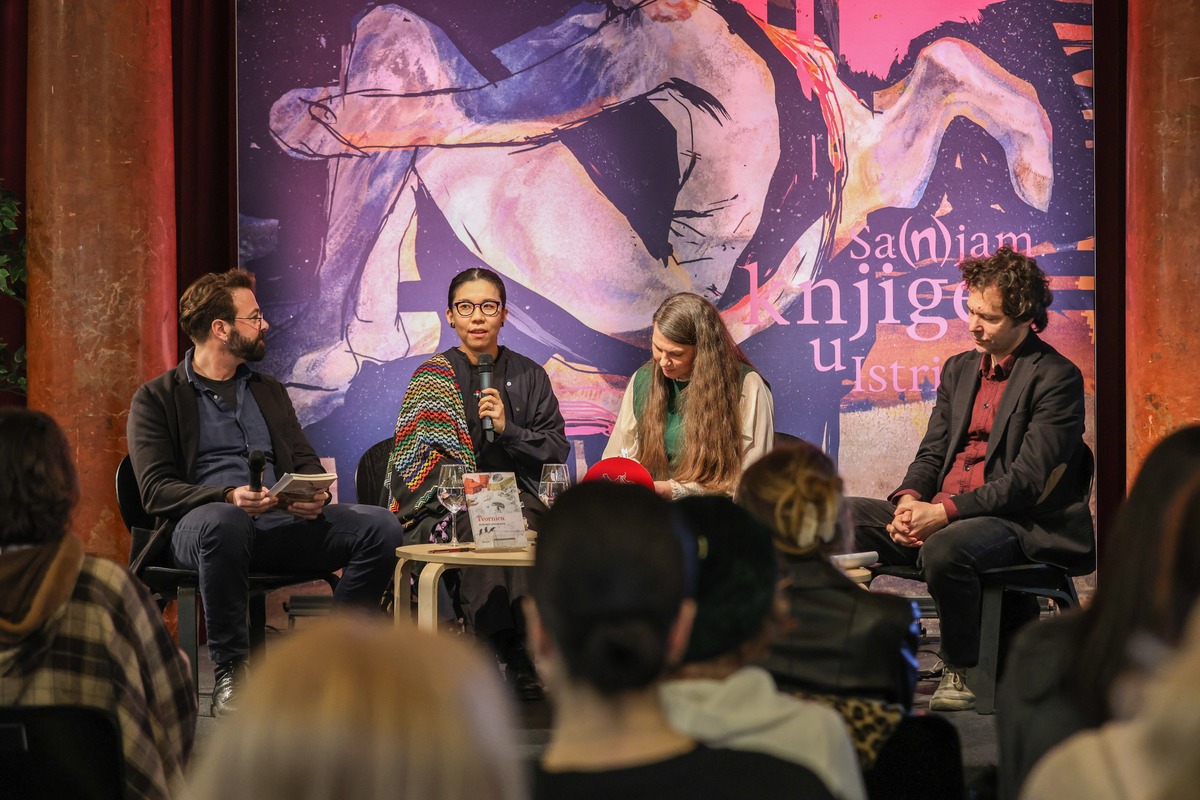
“It is very important to use the senses in my literary work, the descriptions of birds, the air and insects are important to me, and I describe them in detail. With this I want readers to remind themselves about similar experiences of their own. One of my writing goals is for readers to experience in their own way and let them create their own factory with their own senses”, said Hiroko Oyamada, a Japanese writer and the first international guest at this year’s Fair. At the presentation of her book Tvornica (Sandorf), editor Ivan Sršen said that it’s a social novel, a mystery and a surreal melodrama at the same time and announced that the publication of two of her new books Rupa and Vjeverice u potkrovlju are also in preparation. Perhaps Pula will appear in a future book by Hiroko Oyamada, as she is currently writing short stories inspired by the literary festivals she attends as a guest.